On day after Christmas, Hezbollah missiles hit Galilee church, wounding 10

St. Mary’s Greek Orthodox Church in Iqrit, northern Israel. Photo by Dr. Avishai Teicher/Wikimedia Commons.
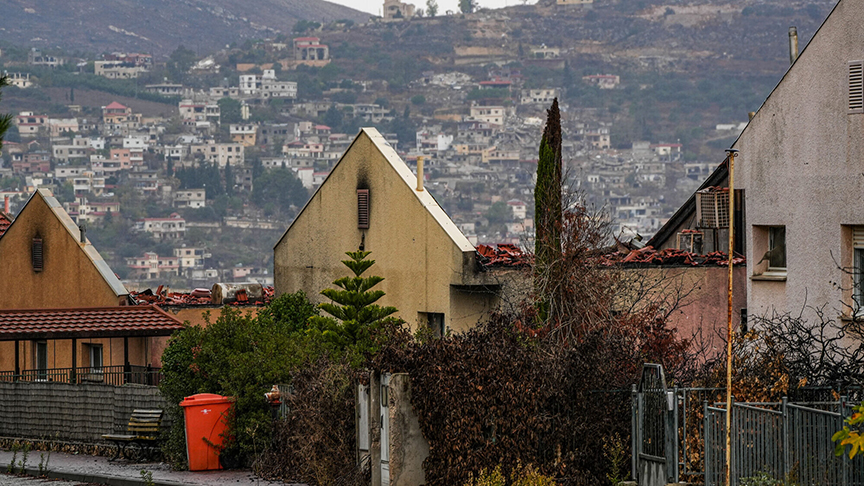
(JNS) — Israeli forces were involved in a heavy exchange of fire with Hezbollah on Dec. 26 after anti-tank missiles fired from Lebanon struck a church in the village of Iqrit in the Western Galilee, wounding at least 10 Israelis, including a soldier reportedly in “serious” condition.
The wounded included an Israeli civilian in his 80s and nine Israel Defense Forces soldiers, per local media. The troops were reportedly hurt while evacuating the wounded civilian under missile fire.
IDF and Magen David Adom emergency medical service teams treated some of the injured at the scene, according to Israeli media reports.
The IDF said that Hezbollah anti-tank missiles hit the St. Mary’s Greek Orthodox Church in Iqrit.
“This attack is not only a clear violation of U.N. Security Council Resolution 1701, but also a violation of the freedom of worship,” the IDF stated.
Terrorists in Lebanon also targeted Moshav Dovev in the Upper Galilee on Dec. 26, as well as Kibbutz Yiftah and Mount Dov near the border with Lebanon.
The IDF responded by shelling the source of the attacks with tank and artillery fire.
The Iranian-backed Hezbollah terror army has been waging a low-intensity conflict against Israel since Hamas’s Oct. 7 massacre of 1,200 people in the Jewish state.
In his Christmas message to Christians worldwide, Israeli Prime Minister Benjamin Netanyahu said the Jewish state confronts “monsters, who murdered children in front of their parents and parents in front of their children, who raped and beheaded women, who burned babies alive, who took babies hostages.”
“This is a battle not only of Israel against these barbarians, it’s a battle of civilization against barbarism,” he added. “I know in this that we have your support.”
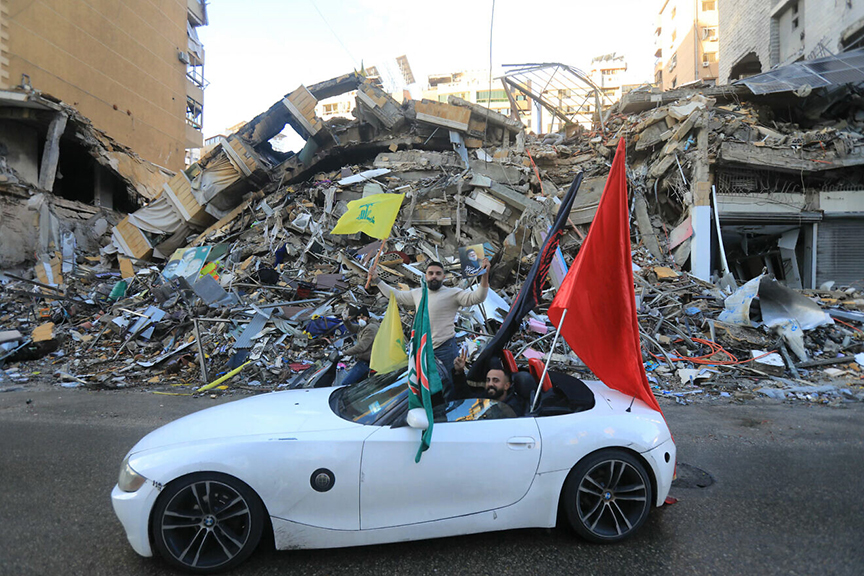
Heavy bombardments in Lebanon
Israeli Air Force fighter jets struck Hezbollah terror assets extensively in Southern Lebanon on the morning of Dec. 26 near border towns Aita al-Shaab, Ramyeh and Meiss ej-Jabal, per Lebanese media.
Prior to the strikes, Israeli reconnaissance drones flew over several Lebanese towns near the frontier, according to the reports.
The IDF said one of its tanks shelled a terror target to remove a threat from Lebanon.
The strikes came after terrorists in Lebanon fired several rockets towards the Mount Dov region.
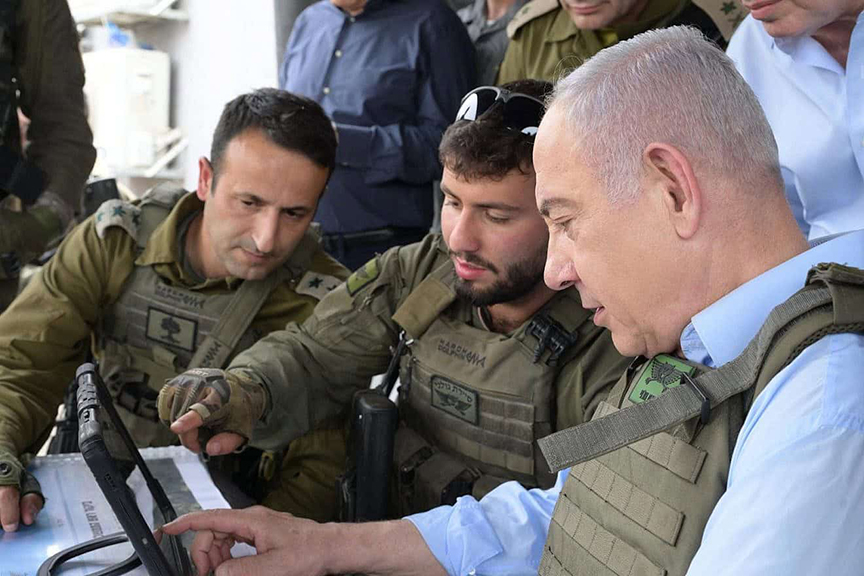
Israeli Defense Minister Yoav Gallant held a situation assessment at the IDF’s Northern Command, where he was briefed on operational activities along the border.
Gallant emphasized that the conflict in the north would continue until the security situation is improves, so some 80,000 evacuated residents can return home.
“Fire was opened on Israel’s north without any Israeli provocation, and as a result of Hezbollah’s decision,” Gallant said. “We will not allow a return to the previous situation we were in until Oct. 6.”
The minister added that Israel is hitting the terror group “very hard,” and Hazbollah has lost about 150 terrorists.
“They have infrastructure that has been damaged, they have been pushed far in from the fence line and the air force flies freely over Lebanon,” he said. “We will expand our efforts.”
“Hezbollah looks at what is happening in Gaza and it understands very well — what we did in Gaza can also be done in Beirut,” he added. “We do not want this scenario.” He added that residents of Israel’s north will not be left “without protection, and we will return them to their homes.”